

Understanding human behavior is a complex endeavor that has fascinated psychologists, researchers, and everyday individuals alike. From the way we interact with one another to the choices we make, our actions are influenced by a myriad of factors. This blog post delves into the insights provided by psychology, exploring the underlying principles that govern our behavior and how we can apply this knowledge in our daily lives.

The Foundations of Human Behavior
Biological Influences
Human behavior is deeply rooted in biology. Our genetic makeup plays a significant role in shaping who we are. For instance, studies have shown that certain personality traits can be inherited. This means that aspects of our behavior may be influenced by our parents and ancestors.
Additionally, our brain chemistry affects how we think and act. Neurotransmitters, such as dopamine and serotonin, are crucial in regulating mood and behavior. An imbalance in these chemicals can lead to various psychological issues, influencing how we interact with the world around us.
Environmental Factors
While biology lays the groundwork for our behavior, environmental factors significantly shape our actions. Our upbringing, culture, and social interactions all contribute to our behavioral patterns. For example, children raised in nurturing environments tend to develop healthier social skills compared to those from neglectful backgrounds.
Cultural norms also dictate acceptable behavior. What is considered polite in one culture may be seen as rude in another. Understanding these cultural differences is essential for fostering better communication and relationships in our increasingly globalized world.
The Role of Psychology in Understanding Behavior
Cognitive Psychology
Cognitive psychology focuses on how we think, learn, and remember. It examines the mental processes that influence our behavior. For instance, cognitive distortions—such as all-or-nothing thinking—can lead to negative outcomes in decision-making. By recognizing these patterns, individuals can work towards more balanced thinking.
One practical application of cognitive psychology is in therapy. Cognitive Behavioral Therapy (CBT) helps individuals identify and change negative thought patterns, leading to improved emotional well-being and behavior.
Behavioral Psychology
Behavioral psychology emphasizes the role of reinforcement and punishment in shaping behavior. This approach suggests that our actions are learned responses to environmental stimuli. For example, a child who receives praise for completing homework is more likely to repeat that behavior in the future.
Understanding behavioral psychology can be particularly useful in educational settings. Teachers can implement positive reinforcement strategies to encourage desired behaviors in students, creating a more conducive learning environment.
Social Influences on Behavior
The Impact of Socialization
From a young age, we are socialized into our communities, learning the norms and values that guide our behavior. This socialization process shapes our identity and influences our interactions with others. Peer pressure, for instance, can lead individuals to conform to group norms, even if they conflict with personal beliefs.
Socialization also extends to the media, which plays a powerful role in shaping perceptions and behaviors. Exposure to certain ideals can influence everything from body image to consumer habits. Understanding these influences can empower individuals to make more informed choices.
Group Dynamics
Human behavior is often influenced by group dynamics. The phenomenon of groupthink, where individuals prioritize consensus over critical thinking, can lead to poor decision-making. Recognizing the signs of groupthink can help teams foster a more open environment for discussion and innovation.
Moreover, social identity theory suggests that individuals derive a sense of self from their group memberships. This can lead to in-group favoritism, where individuals prefer those who share similar characteristics. Understanding these dynamics can improve collaboration and reduce conflict in diverse settings.
Practical Applications of Psychological Insights
Enhancing Communication
Effective communication is vital in both personal and professional relationships. By applying psychological principles, individuals can improve their communication skills. For example, active listening—where one fully engages with the speaker—can foster deeper connections and understanding.
Additionally, being aware of non-verbal cues can enhance communication. Body language, facial expressions, and tone of voice all convey important messages. By honing these skills, individuals can navigate conversations more effectively.
Improving Decision-Making
Psychological insights can also enhance decision-making processes. Understanding cognitive biases—such as confirmation bias, where individuals favor information that confirms their beliefs—can lead to more objective choices. By actively seeking diverse perspectives, individuals can mitigate the impact of these biases.
Moreover, employing techniques like pros and cons lists can help clarify options and lead to more informed decisions. This structured approach allows individuals to weigh the potential outcomes of their choices.
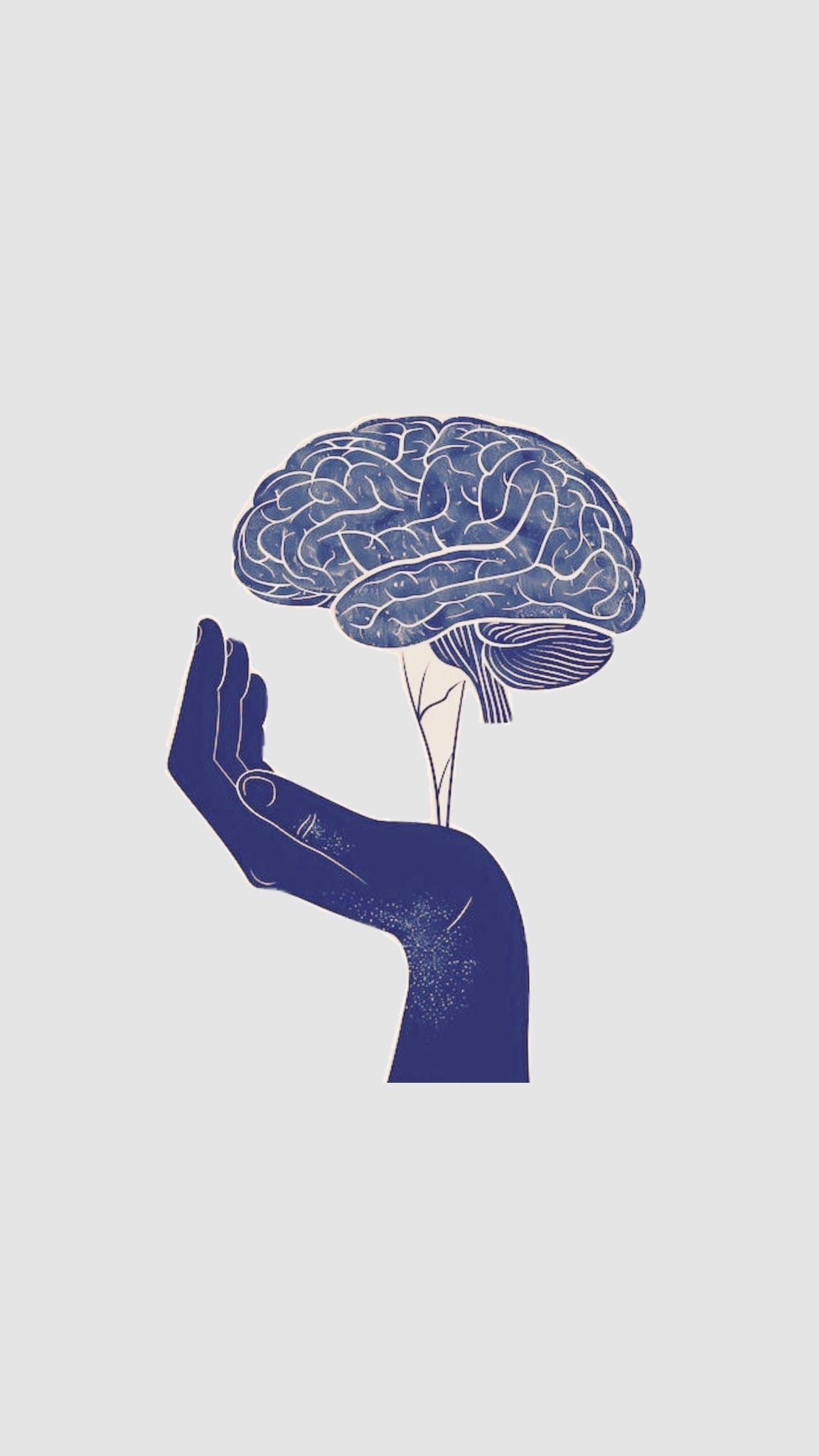
The Future of Behavioral Psychology
Emerging Trends
As our understanding of human behavior evolves, new trends in psychology are emerging. One such trend is the integration of technology in psychological research and practice. Virtual reality, for instance, is being used to simulate social situations, providing valuable insights into human behavior.
Additionally, the rise of positive psychology emphasizes the importance of well-being and personal growth. This approach encourages individuals to focus on strengths and cultivate a positive mindset, leading to improved overall behavior.
The Importance of Continued Research
Ongoing research in psychology is crucial for deepening our understanding of human behavior. As society changes, so do the factors influencing our actions. By staying informed about the latest findings, individuals can adapt their approaches to better navigate the complexities of human behavior.
Conclusion
Understanding human behavior through the lens of psychology provides valuable insights that can enhance our daily lives. By recognizing the biological, environmental, and social influences on our actions, we can make more informed choices and foster healthier relationships. As we continue to explore the intricacies of human behavior, we empower ourselves to grow and thrive in an ever-changing world.
By applying these psychological principles, we can improve our communication, decision-making, and overall well-being. The journey of understanding ourselves and others is ongoing, and the insights gained from psychology serve as a powerful tool in this endeavor.
[Note for the Readers]
Hey there! I truly hope you enjoyed reading this article and found it meaningful. Writing about psychology and human behavior is something I deeply love, and every piece I share is part of that exploration.
As a reader, your thoughts matter to me. If you have suggestions, feedback, or even gentle criticism, please leave a comment—it helps me grow as a writer, and it helps us grow together as learners. My goal is to keep improving my craft while offering insights that enrich your perspective.
Thank you for spending your time here. If this resonated with you, I’d love for you to explore more of my articles. Each one carries a reflection, a question, or a story that I hope will stay with you.
Wishing you a wonderful day ahead,
— KSoulsReflectio